





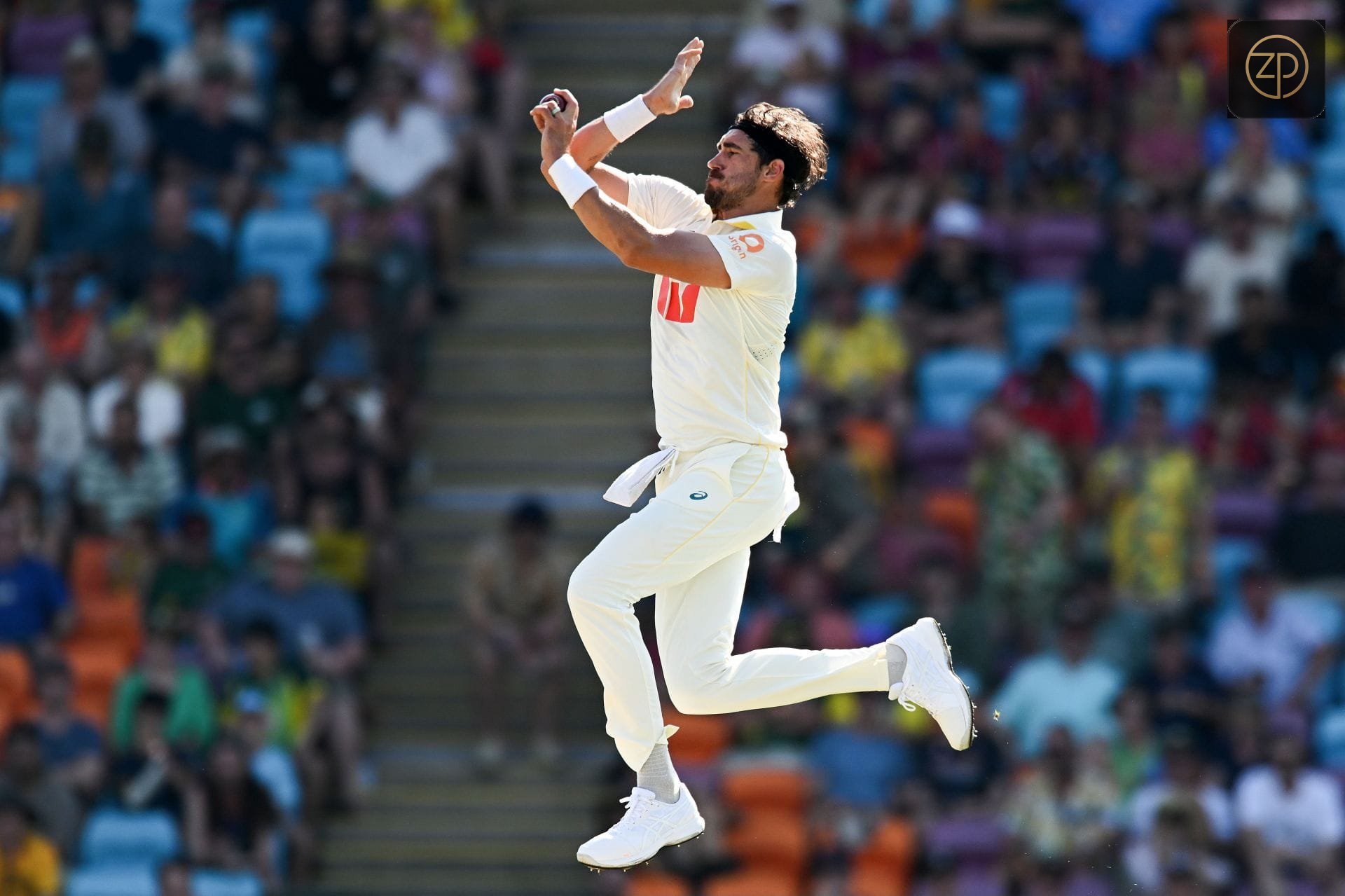

- Mitchell Starc became the highest left-arm wicket-taker in Test cricket history after taking two wickets against Bangladesh in Darwin.
- The Australian pace bowler moved to 435 Test scalps, passing both Kapil Dev and Rangana Herath.
- Attention now turns to whether Starc can manage his workload to eclipse Dale Steyn's mark of 439 wickets.
DARWIN — Mitchell Starc’s pursuit of Test cricket’s all-time elite moved into rare territory on Day 2 in Darwin, where the Australian fast bowler pushed past Indian icon Kapil Dev and Sri Lanka’s Rangana Herath to become the most successful left-arm bowler in Test history. Yet behind the celebration at Marrara Cricket Ground lies a pressing question for Australian selectors: how much longer can the speedster maintain his physical intensity before age and workload force a transition?
Starc picked up two vital scalps during Bangladesh’s opening innings on Saturday, elevating his career total to 435 wickets from 106 matches. His first breakthrough arrived in the ninth over when he removed Shadman Islam, moving level with Kapil Dev’s long-standing mark of 434. Later in the 85th over, Starc unleashed a 143.3 kph delivery with the second new ball that squared up Litton Das for a 12-ball duck, drawing a thick edge that Steve Smith held comfortably at second slip.
“When Starcy gets that second new ball swinging late at over 140 kph, there isn’t a batter in world cricket who feels comfortable,” Smith told reporters after the second session. “He keeps finding extra gears when the team needs a breakthrough.”
Chasing Dale Steyn and the Fast-Bowling Pantheon
By claiming his 435th victim, Starc surpassed Herath’s 433 wickets to claim sole possession of the record for most Test scalps by any left-arm bowler, whether spin or seam. He also pulled ahead of legendary left-arm quicks Wasim Akram (414) and Chaminda Vaas (355). Among pure fast bowlers from all nations, only five men in history now sit above him on the all-time list: James Anderson, Stuart Broad, Glenn McGrath, Courtney Walsh, and South African great Dale Steyn.
Steyn’s mark of 439 Test wickets is now well within Starc’s sights, requiring just five more dismissals. Reaching that benchmark would place Starc fifth on the list of all-time fast bowlers, trailing only McGrath among Australians.
“I’m aware of the numbers because people keep bringing them up, but my focus is just staying fresh for the next spell,” Starc said in a post-match interview. “The body feels good right now, and as long as I am delivering for the team, I want to keep running in.”
Workload Management and Longevity Risks
Despite his current form, the path ahead carries clear hazards. Fast bowling remains cricket’s most demanding physical discipline, and maintaining speeds above 140 kph into late career stages is rare in modern red-ball cricket. Australian team management faces a delicate balancing act over the coming 18 months, with heavy away tours and high-stakes home series filling the international schedule.
With fellow seamers Pat Cummins and Josh Hazlewood also managing heavy workloads, rotation decisions will dictate how many matches Starc actually plays. Support staff in Sydney have monitored Starc’s bowling loads closely, particularly given his past history of ankle and back injuries.
“The challenge with quicks in their mid-30s isn’t skill, it’s recovery time between back-to-back matches,” noted former Australian bowling coach David Saker during television commentary. “Starc relies heavily on explosive rhythm. If his pace drops even three or four kilometers per hour, his effectiveness changes completely.”
What Lies Ahead for Australia’s Pace Attack
Starc’s career average now stands at an impressive 26.53, supported by 18 five-wicket hauls and three 10-wicket match figures. His efficiency compares favorably with Kapil Dev, who needed 131 Tests to reach 434 wickets at an average of 29.64. However, the looming question for Cricket Australia is how to prepare for an eventual post-Starc era.
While Nathan Lyon (568 wickets) and Cummins continue to lead the attack alongside him, unearthing a left-arm paceman with Starc’s combination of swing, height, and raw speed remains an unsolved problem for domestic selectors. For now, Starc remains central to Australia’s bowling plans, with eyes fixed firmly on taking down Steyn’s record in the coming weeks.
