





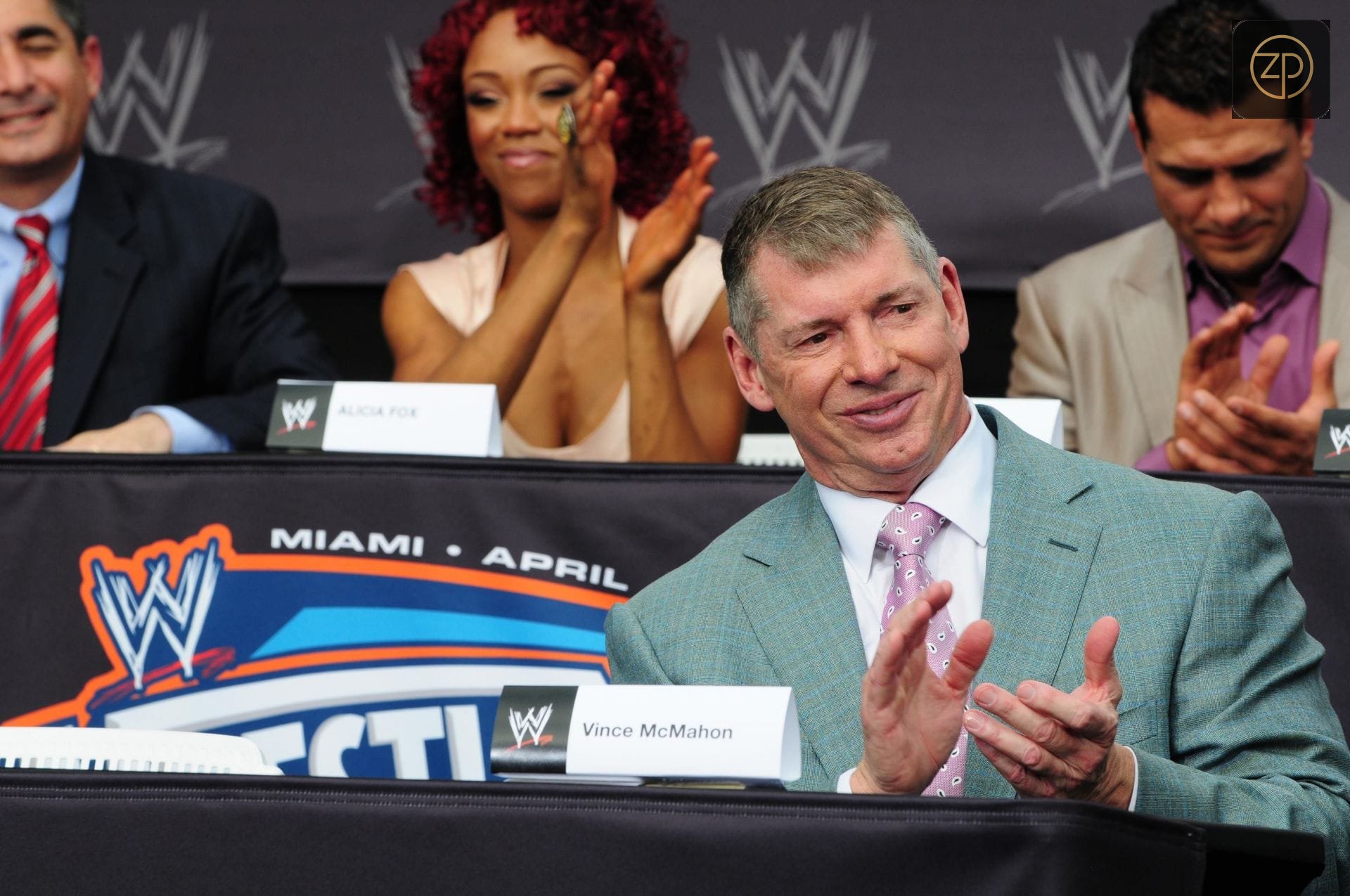

The professional wrestling industry’s most successful promoter, Vince McMahon, had to balance the financial and creative aspects of his business, which often put him at odds with his wrestlers. As the owner of WWF, now known as WWE, McMahon took the helm in 1982 and transformed the company into a global brand, but this came at a cost.
According to Big Show, a former WWE Champion, the old-school wrestlers were primarily motivated by their salaries rather than television time. ‘The locker room was notorious for its practical jokes,’ Big Show told TMZ Sports, highlighting the complexities of managing a roster of strong personalities. This dynamic created tension between McMahon and his talent, as he had to prioritize the company’s financial interests over the wrestlers’ individual goals.
Financial Pressures
The WWE’s rapid expansion under McMahon’s leadership led to increased revenue, but also created new financial pressures. The company had to invest heavily in production, talent development, and marketing, all while maintaining a profitable business model. This meant that McMahon had to make tough decisions about talent contracts, storylines, and other creative aspects of the business, which sometimes put him at odds with his wrestlers.
‘Earning money was the top priority for many of the old-school wrestlers,’ Big Show said, noting that this focus on financial gain often led to tension between the talent and management. As the WWE continued to grow, McMahon had to navigate these complex financial dynamics to ensure the company’s long-term success.
In the end, McMahon’s ability to balance the financial and creative aspects of his business was crucial to the WWE’s success. While his relationship with his wrestlers was often complicated, his focus on the bottom line helped establish the company as a global brand, with a valuation of over $5 billion today.

khig