





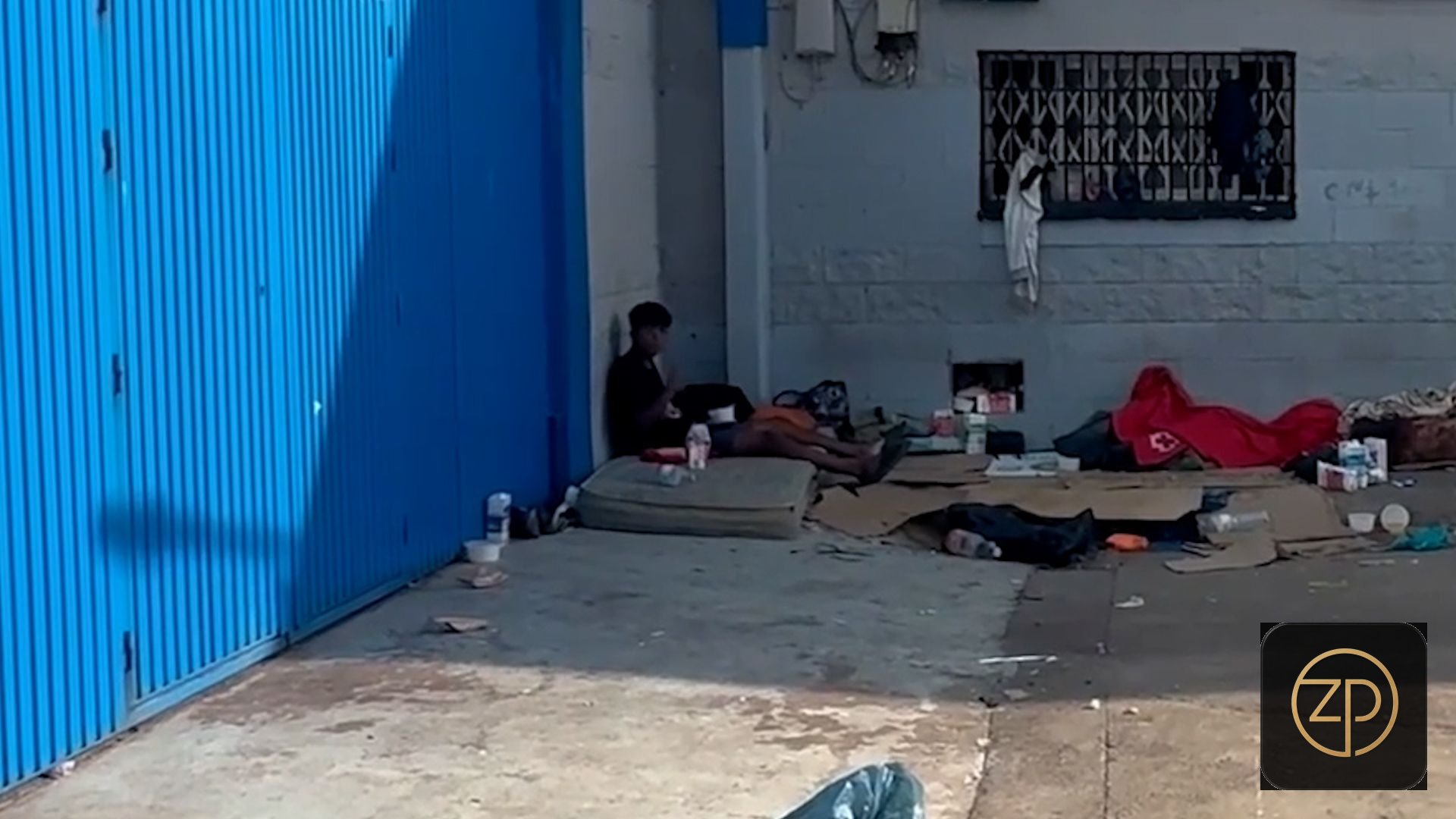

Ceuta, Spain’s North African enclave, is struggling to cope with a record influx of migrants, leaving many children and families without food, water, or basic sanitation for days. Local officials and aid workers describe makeshift shelters overflowing as the territory faces its largest migration wave in history.
According to regional authorities, thousands of migrants, including unaccompanied minors and families with young children, have crossed into Ceuta in recent days. Many are sleeping in overcrowded reception centers, abandoned buildings, and open-air areas, with little access to necessities.
Aid workers on the ground report that children are bearing the brunt of the crisis. “We are seeing kids who haven’t eaten in two or three days,” said a volunteer with a local charity, speaking on condition of anonymity. “They arrive exhausted, dehydrated, and scared.”
The Spanish government has dispatched additional police and social workers to the enclave, but resources remain thin. A spokesperson for the delegation in Ceuta said officials are working to distribute food and water, but acknowledged that the scale of arrivals has outpaced preparations.
The surge began after Moroccan authorities appeared to relax border controls, allowing hundreds of people to swim or wade across the border. Spanish officials have called the situation “unprecedented,” with over 8,000 arrivals recorded in a single week—more than in any previous period.
Local residents described scenes of chaos at the border, with migrants rushing past fences and along the breakwater. “It was like a river of people,” one eyewitness told reporters. “Many were children, some as young as five or six.”
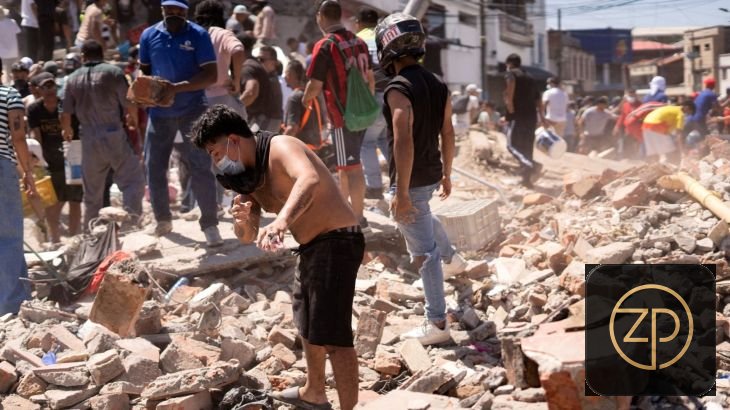
Spain’s interior minister has vowed to restore order, but humanitarian groups warn that the immediate needs of those already in Ceuta must not be ignored. The UN Refugee Agency (UNHCR) has called on Spain to ensure that all migrants, particularly minors, receive adequate care and legal assistance.
Ceuta’s asylum processing system is buckling under the pressure. Many migrants have not yet been able to file claims, leaving them in legal limbo. Lawyers and NGOs say that without proper registration, access to shelter and services is further delayed.
“The priority is to stabilize people and then process their claims fairly,” said a legal aid coordinator in the enclave. “But right now, we’re just trying to get through the night.”
Spain has requested assistance from the European Union, including funding and logistical support. EU officials have pledged solidarity, but no concrete measures have been announced yet.
The crisis has also sparked political friction between Madrid and Rabat. Spanish officials accuse Morocco of using migration as a diplomatic lever, a charge Morocco denies. The two countries have been at odds over Western Sahara and other issues, and the border tension is adding to the strain.
Meanwhile, far-right groups in Spain have called for a military response, while human rights organizations urge a humanitarian one. The government has ruled out closing the border, insisting that a humane approach is necessary.
As night fell over Ceuta, volunteers continued to distribute bread and water to families huddled in doorways. A young mother from sub-Saharan Africa, holding a toddler, told a reporter: “We came for a better life. We didn’t expect this.”
The situation remains fluid, with officials warning that more arrivals are possible. For now, the focus is on survival—and on the children who have no food, no bed, and no certainty about what comes next.
