





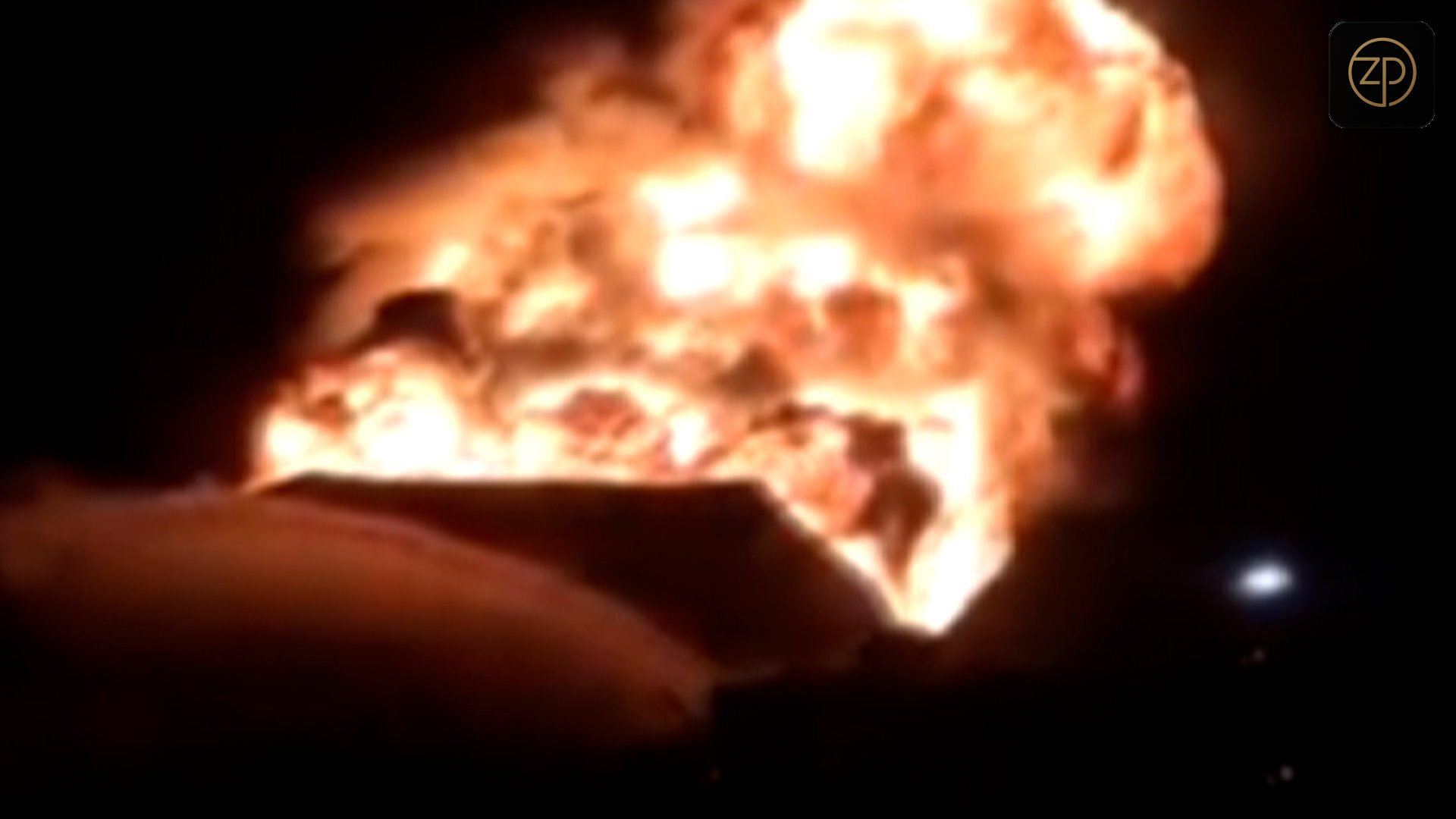

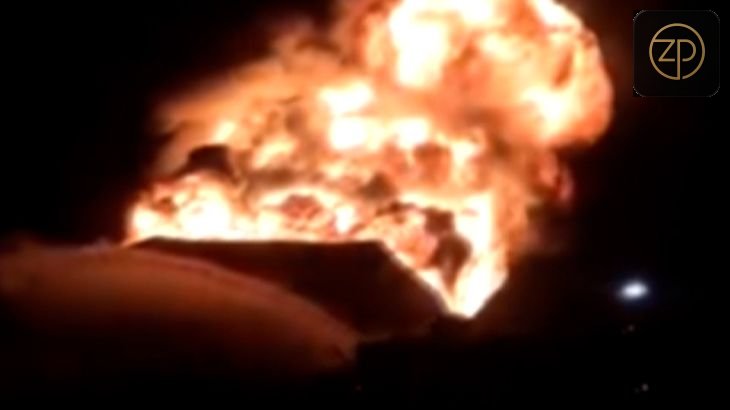
A drone strike on Libya’s Zawiya oil refinery ignited a massive fire on Wednesday, sending thick black smoke billowing over the Mediterranean coastal city. The facility, which is the country’s largest operational refinery, has been hit repeatedly in recent days, according to officials.
The attack targeted gasoline storage tanks, causing a blaze that firefighters struggled to contain for hours. No casualties have been reported so far, but the damage threatens to cripple Libya’s already fragile energy sector.
Libya’s National Oil Corporation (NOC) said it is now considering a full suspension of operations at the Zawiya plant, which processes roughly 120,000 barrels of crude per day. The refinery supplies fuel to Tripoli and the western region, making any prolonged shutdown a severe blow to the country’s economy and daily life.
The identity of the drone operators remains unknown. Local authorities have not claimed responsibility, and no group has stepped forward to say it carried out the strikes. The attacks have escalated over the past week, with at least three separate incidents targeting the refinery’s infrastructure, according to security sources.
Zawiya’s location, just 40 kilometers west of the capital, makes it a strategic prize. The refinery is the main source of gasoline, diesel, and jet fuel for western Libya. Its proximity to the sea also allows for quick export of refined products, though those operations have been disrupted by the ongoing violence.
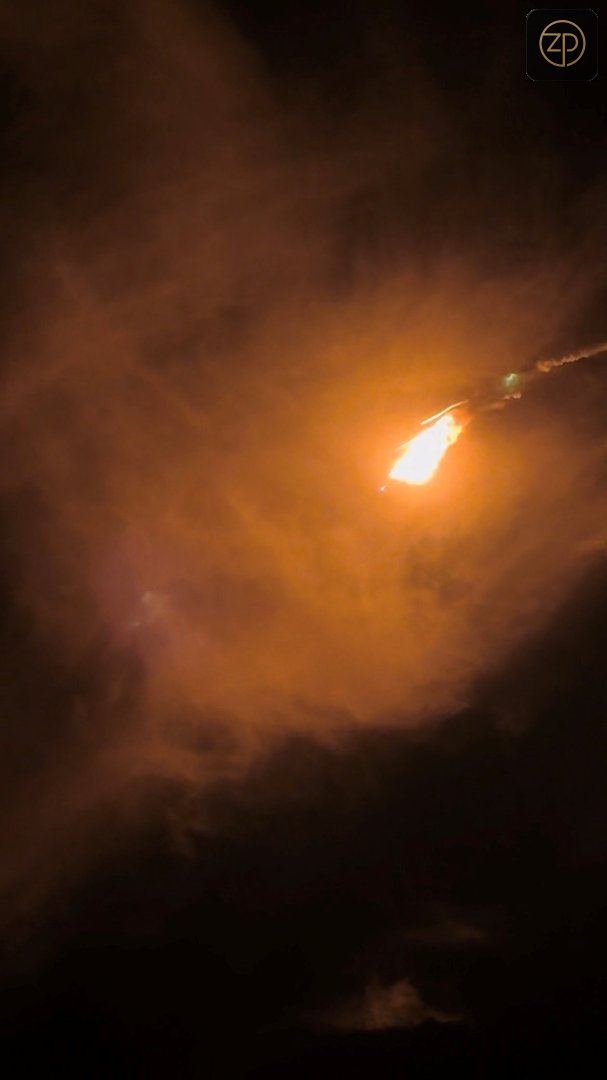
Residents in the Zawiya area described hearing loud explosions late Tuesday night, followed by orange flames that lit up the sky. “We saw drones circling overhead like vultures before the blast,” one local told reporters, asking not to be named for fear of reprisals.
The NOC has condemned the attacks, calling them “sabotage against the Libyan people.” In a statement, the corporation warned that continued strikes would force it to halt production at Zawiya, which would worsen fuel shortages across the country. Lines at petrol stations in Tripoli have already grown longer in recent days, with some motorists reporting waits of several hours.
Libya has been mired in political chaos since the 2011 uprising that toppled Muammar Gaddafi. Two rival governments—one in Tripoli and another in the east—have vied for control, and armed militias hold sway over much of the territory. The oil sector, the backbone of Libya’s economy, has frequently been caught in the crossfire.
In recent months, tensions have risen as factions jockey for position ahead of a proposed election. The drone strikes on Zawiya are seen by many analysts as a warning shot aimed at disrupting the country’s energy revenues, which fund both sides of the political divide.
“This is not just an attack on a facility; it’s an attack on the livelihoods of millions of Libyans,” said an energy analyst based in Tunis, speaking on condition of anonymity. “The refinery is the lifeline for fuel and electricity in the west. If it goes down, you’ll see widespread protests and a humanitarian crisis.”
The fire at Zawiya follows a pattern of similar incidents in recent years. In 2020, blockades by eastern-based forces shut down most of Libya’s oil fields, cutting production to a trickle. That crisis lasted months and cost the country billions of dollars in lost revenue.
Now, with the Zawiya refinery under direct attack, the NOC faces a difficult choice. It can attempt repairs while maintaining security, or it can shut down entirely to protect workers and equipment. Either way, the impact will be felt across Libya.
International observers have called for restraint, urging all parties to resolve their differences through dialogue. The United Nations Support Mission in Libya issued a statement expressing deep concern over the strikes and calling for an immediate cessation of hostilities.
As the fire continues to burn, engineers are assessing the damage. Early estimates suggest that repairs could take weeks, if not months. In the meantime, Libya’s already strained fuel supply chain is bracing for further disruptions.
The drone attacks have also raised fears of a wider conflict. Some officials worry that foreign powers, who have backed various Libyan factions, may be using the strikes to send a message. Neither the United States nor European nations have commented publicly on the incidents, but diplomatic sources say they are monitoring the situation closely.
For ordinary Libyans, the latest crisis is another reminder of the country’s fragility. “We live day to day,” said a shopkeeper in Tripoli, as he watched news of the fire on his phone. “One day there is fuel, the next there is not. We are tired.”
The NOC has yet to announce a final decision on suspending operations. But with the refinery in flames, the question is no longer if, but when, Libya’s largest oil facility will go offline.
