






Monsoon rains lashed Manila last week, closing schools and halting government work. But outside shipping agencies, lines of job-seeking sailors stretched around corners, undeterred by the downpour or the dangers awaiting them at sea.
These applicants are heading to some of the most perilous waters on Earth – the Strait of Hormuz and the Black Sea – where missile strikes and drone attacks have killed dozens of merchant crew in recent months. They know the risks. They are going anyway.
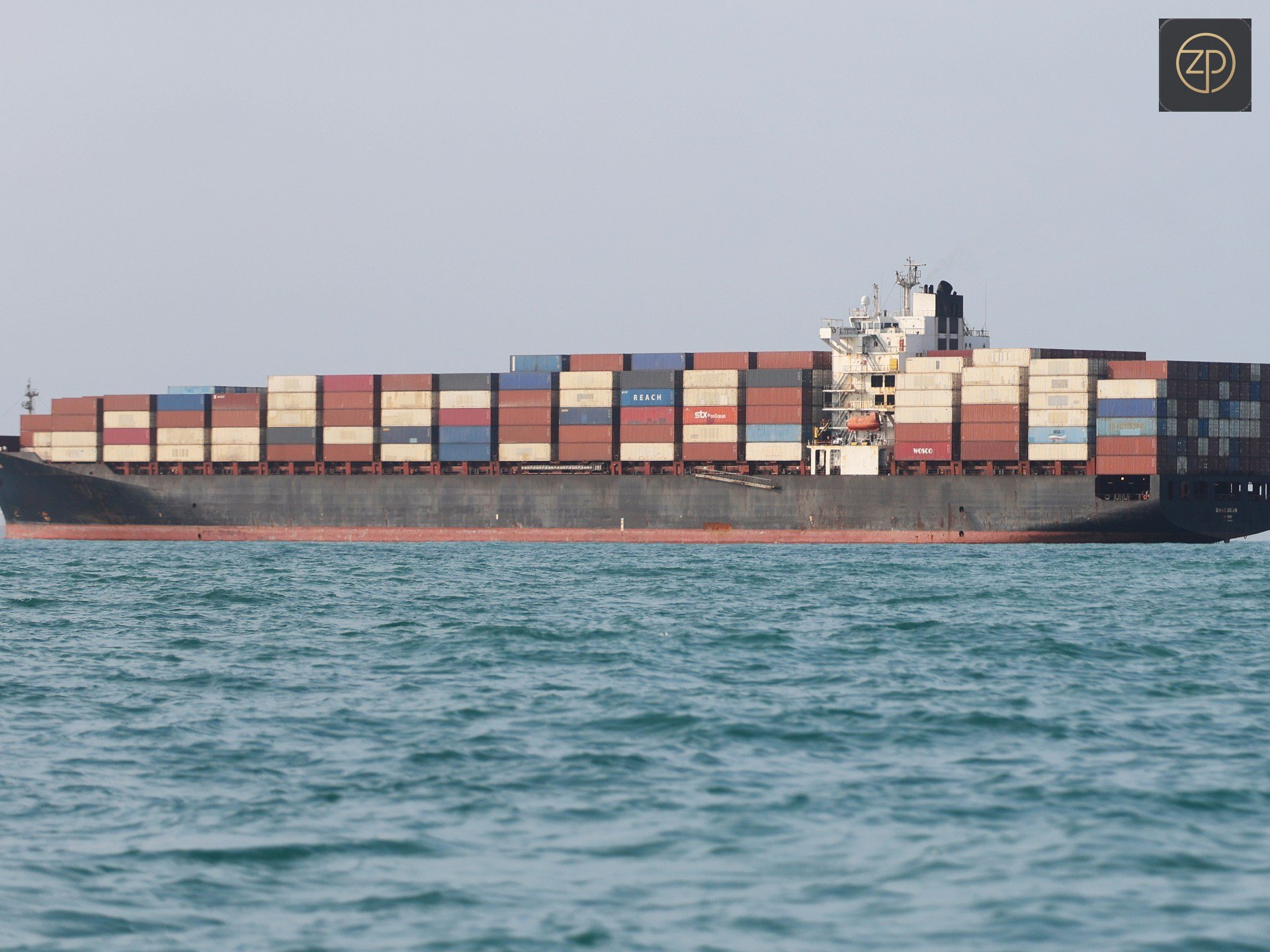
Gerald, a veteran seafarer with 15 years of experience, was finalizing paperwork for his next deployment. He will rejoin a cargo vessel anchored off Fujairah in the United Arab Emirates – the same ship he was stuck on for two months when the US and Israel launched air attacks on Iran in late February.
“There was one missile that flew over. The navy intercepted it right when it was above us, so we hid,” Gerald told ZyvenPress, requesting his full name be withheld to protect his employment. “We knew fragments could land on our ship. But what can we do? There was nowhere safe.”
For weeks, he and his crew watched projectiles from both sides explode mid-air. Shrapnel mostly fell into the water, but the crossfire cut off their supply lines. To survive, they had to fish from the deck, risking their lives for food.
That ordeal has not shaken his resolve. “I was able to save enough to buy a property after just two years of sailing,” he said. “I was able to build a house for my parents.”
Growing up in a fishing village, the sea was always a source of livelihood. Sailing beyond his hometown transformed his fortunes. “This job has provided me with a decent income. And it’s the only job I’ve known for a long time. I can’t just go into business or farming. That’s easier said than done,” he added.
The Philippines supplies more than a quarter of the world’s seafarers. According to International Maritime Organization data from July, about 2,500 Filipinos were among the 6,000 sailors trapped in the Strait of Hormuz at the height of the conflict. Nearly 20,000 sailors on 1,500 ships were stuck there in March, and at least 17 have been killed in attacks since then.
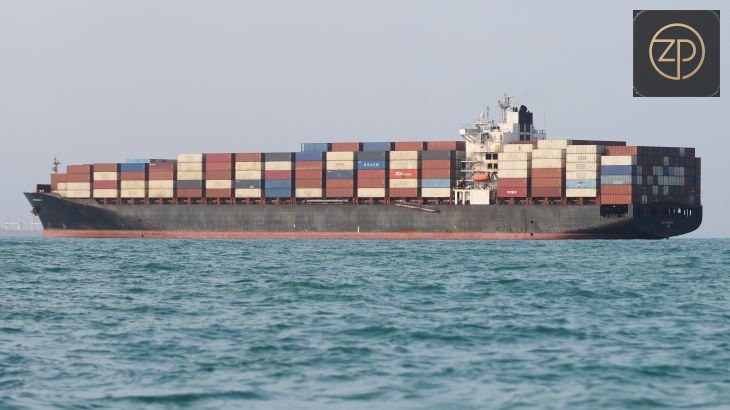
Even after Washington and Tehran reached an interim deal in June, there was no mass repatriation. The Philippine Department of Migrant Workers said more than 60 Filipinos have returned from the Gulf, but most remain on vessels that have managed to transit the waterway.
Alberto Lobaton, another sailor awaiting deployment, was staying at the same halfway house near Manila Bay. The facility, which has housed seafarers for years, was fully booked despite the escalating conflicts.
The Black Sea has become equally deadly. As the Russia-Ukraine war intensifies, attacks on merchant ships have surged. In July alone, 35 vessels were struck and more than 20 sailors killed, including at least three Filipinos, according to industry reports.
Lobaton experienced such an attack firsthand last year. “I felt the ship shake because the explosion was so close. It was just around 300 metres away; I was in our quarters, but those who were on duty that night stood up and ran,” he recalled.
Manila has urged shipowners to avoid high-risk areas or allow Filipino crew to disembark. The government has also reminded sailors they have the right to refuse to sail.
But for many, refusal is not a realistic option. Lobaton admits he is concerned for his safety, yet the financial rewards outweigh the danger. “If I die, my family will be set for life because we are insured. So if something were to happen to me, I’d prefer it happened while I’m at work at sea,” he said.
That sentiment echoes across the industry. Seafaring remains one of the few well-paying jobs available to unskilled and semi-skilled Filipinos. The money supports entire families, builds homes, and funds educations. For these workers, the choice is often between a dangerous voyage and poverty at home.
As the monsoon rains continue to drench Manila, the lines outside shipping agencies show no sign of shrinking. The sailors know what awaits them. They board anyway.
