






China’s space program suffered a rare and dramatic setback on Monday when a Long March 7A rocket exploded shortly after lifting off from the Wenchang Satellite Launch Center on the island of Hainan. The failure destroyed the satellite payload it was carrying, according to Chinese state media and space officials.
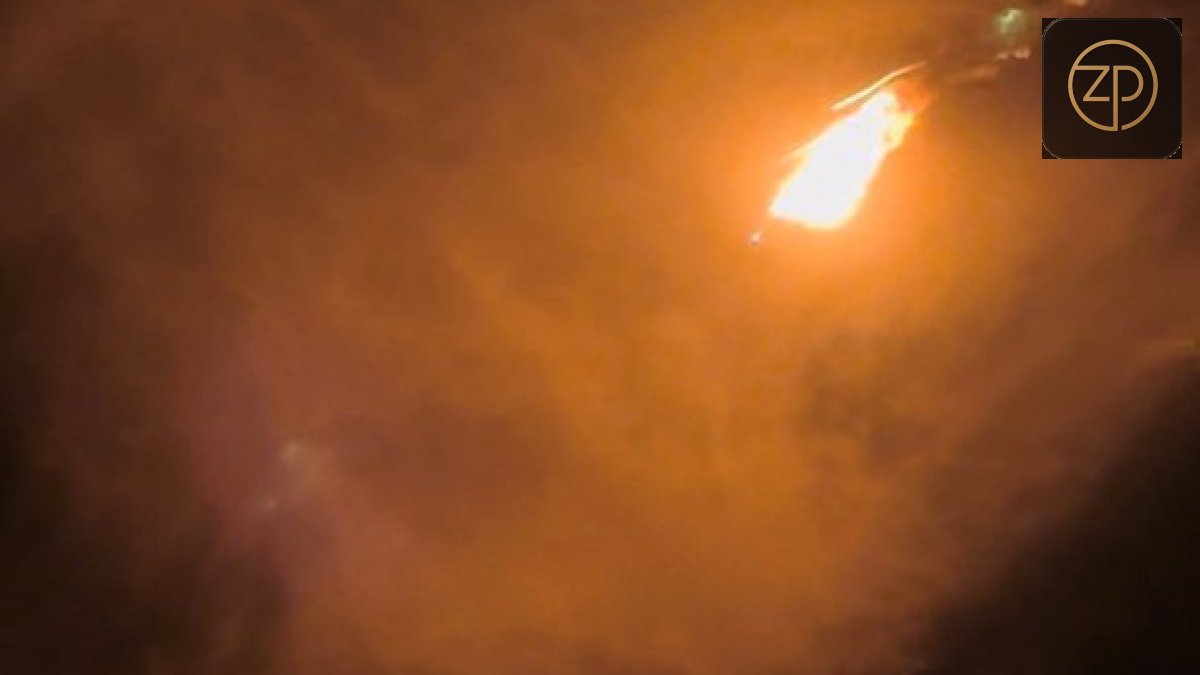
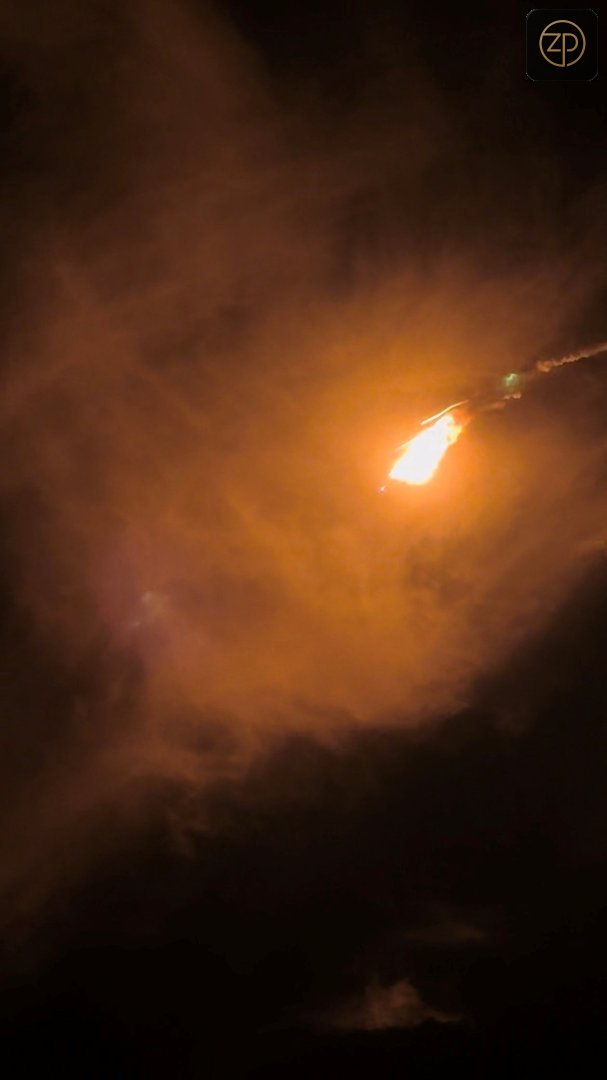
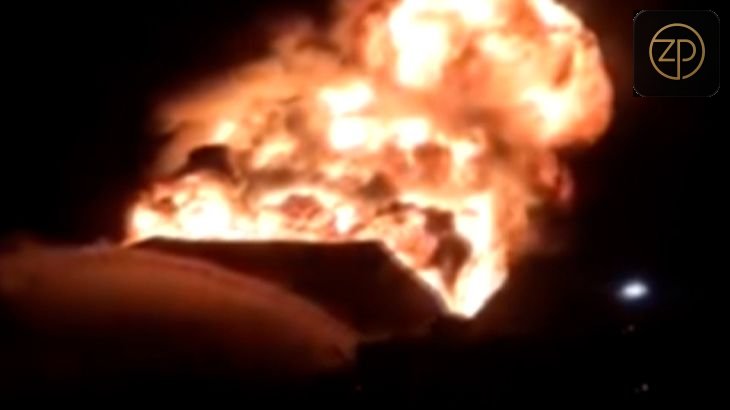
The rocket lifted off at 5:41 p.m. local time, but within minutes its trajectory deviated from the planned path. Video footage circulated on social media showed the rocket tumbling in the sky before a bright flash and a plume of smoke, followed by debris falling. Officials did not immediately confirm the cause of the explosion.
The Long March 7A is a modified version of the Long March 7, designed to place heavier payloads into geostationary transfer orbit. This was its maiden flight, and the failure is a blow to China’s ambitions to expand its launch capabilities for both commercial and national security missions.
The rocket was carrying a classified satellite, believed to be a technology demonstration or communications satellite, though Chinese authorities did not disclose its exact purpose. The loss of the payload adds to the financial and strategic cost of the failure.
Chinese space authorities said they have launched an investigation into the incident. They have not yet announced a timeline for returning to flight or for future Long March 7A launches. The Wenchang site, located on the southern coast of Hainan, is one of China’s newest launch facilities and has been used for major missions, including the Long March 5 rocket and the core module of China’s space station.
The failure comes at a time when China is accelerating its space program, with plans to complete a modular space station by 2022 and to land astronauts on the Moon by the 2030s. The Long March 7A was expected to play a key role in those efforts, particularly for launching large satellites and space station modules.
Space industry analysts expressed concern that the failure could delay China’s launch schedule, but noted that such setbacks are not uncommon in the development of new rockets. “This is a reminder that spaceflight is inherently risky,” said one analyst who asked not to be named. “China has had a string of successes, but this shows that even mature programs can face failures.”
The Long March family of rockets has been generally reliable, but this is not the first recent failure. In 2017, a Long March 5 rocket failed during a launch, and in 2019, a Long March 3B rocket malfunctioned. China has typically recovered quickly from such incidents, but each failure prompts a thorough review.
The explosion adds to a year of mixed results in global spaceflight. While SpaceX and other commercial providers have enjoyed successes, several other nations have experienced failures. The incident will likely fuel discussions about the reliability of China’s launch vehicles, which are also marketed for international customers.
For now, the focus is on the investigation and on ensuring that future missions are safe. Chinese officials have not indicated whether the Long March 7A will be redesigned or if the incident will affect other planned launches from Wenchang.
Local residents in the area reported hearing a loud bang and seeing smoke rising from the launch site, though no injuries were reported. The site is in a remote coastal area, and debris fell into the sea or in unpopulated areas.
The Long March 7A was developed by the China Academy of Launch Vehicle Technology, a subsidiary of China Aerospace Science and Technology Corporation. The rocket is designed to be more environmentally friendly than its predecessors, using liquid oxygen and kerosene propellants.
As China’s space ambitions grow, so does the scrutiny on its launch record. The Long March 7A failure is a reminder that the path to space is never easy, and that even the most carefully planned missions can end in tragedy. The investigation’s findings will be closely watched by the global space community.
