






TEHRAN/WASHINGTON: There is no verified evidence that Iran has selected one country as its “next target.” But the latest military moves and Iranian warnings point to a clearer picture: U.S. forces and shipping interests appear to face the most immediate danger, while Gulf Arab infrastructure remains vulnerable if Washington expands its attacks. Israel remains a major strategic adversary, but it is not clearly the next target.
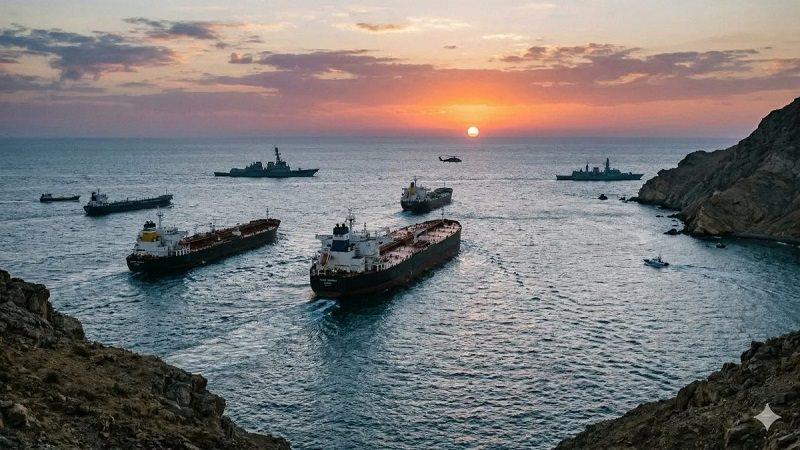
The immediate flashpoint is the Strait of Hormuz, where the United States and Iran are competing for control of one of the world’s most important energy routes. Shipping traffic has fallen sharply, and the UAE has accused Iran of attacking vessels operated by ADNOC. Tehran has meanwhile insisted that ships cannot pass through the strait without Iranian authorization.
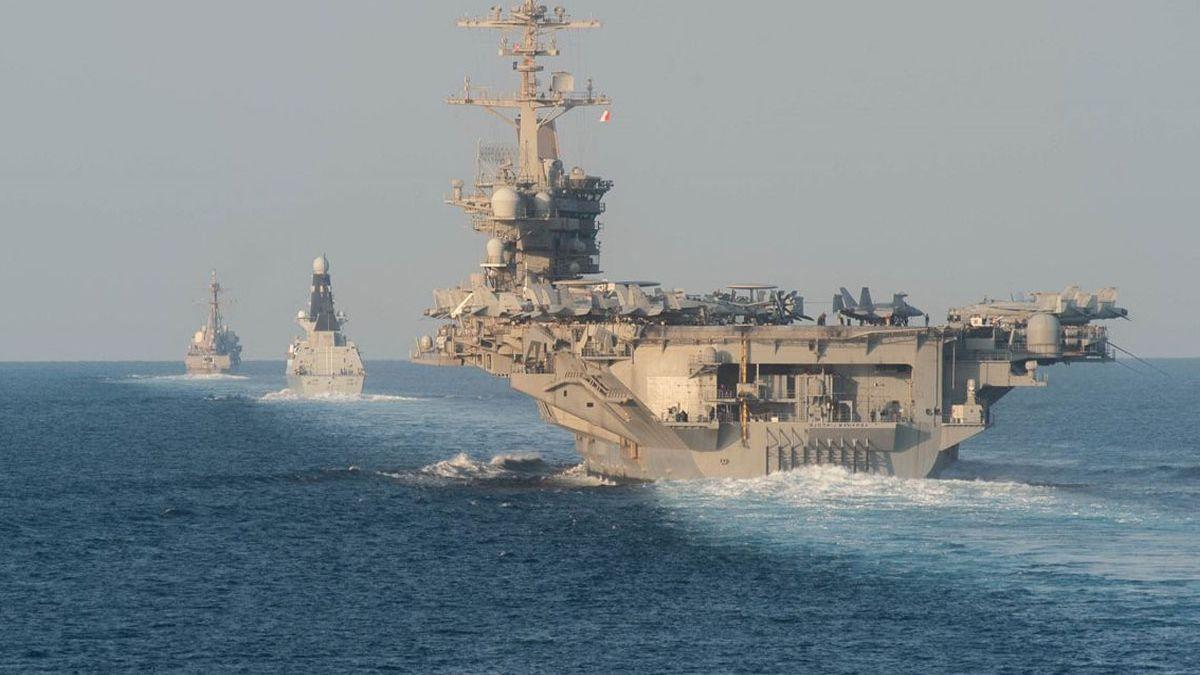
The U.S. military also remains heavily deployed in the region. On Sunday, U.S. Central Command chief Adm. Brad Cooper completed a regional tour that included a visit to the USS Abraham Lincoln in the Arabian Sea. The carrier has been supporting American operations against Iran, including the blockade of Iranian ports.
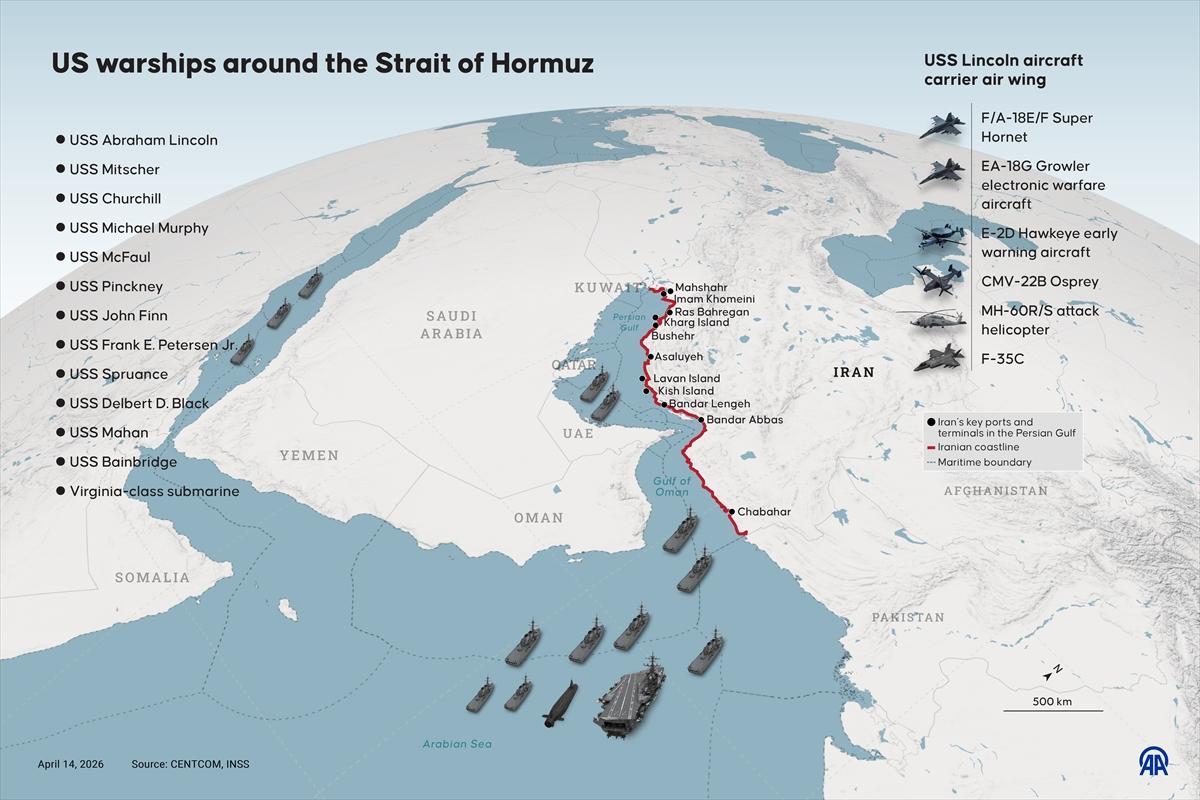
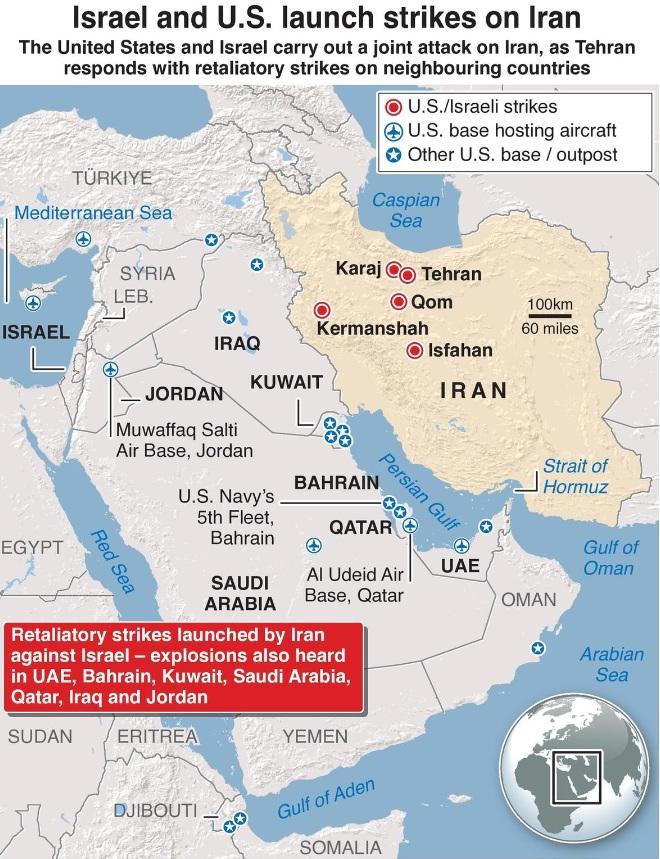
That makes American military and maritime assets the most immediate potential targets if another round of direct retaliation begins. Previous Iranian attacks during the conflict have struck U.S. military facilities in Gulf countries and Jordan, while Tehran has repeatedly warned that further American attacks will bring retaliation.
Arab Gulf states face a different kind of danger
Calling “the Arabs” Iran’s next target would be misleading. Iran is not publicly threatening Arab populations as a single bloc. Instead, Tehran has warned particular Gulf governments that oil facilities and other critical infrastructure could be attacked if their territory or facilities are used to support new U.S. strikes on Iran. Reuters reported earlier this month that Iranian Foreign Minister Abbas Araghchi delivered such warnings to regional governments as Washington considered further military action.
The danger is already more than theoretical. The UAE has blamed Iran for attacks on its energy vessels, while earlier fighting brought Iranian missiles and drones into the airspace of Kuwait, Qatar, Bahrain, Saudi Arabia and Jordan.
At the same time, Gulf governments are pushing for diplomacy rather than a wider war. Iran and Oman have been negotiating new arrangements for safe commercial shipping through Hormuz, showing that Tehran is simultaneously using military pressure and negotiations to strengthen its position around the waterway.
And Israel?
Israel remains one of Iran’s central strategic enemies. The current war began with U.S.-Israeli attacks on Iran, and direct Iranian-Israeli exchanges have already taken place during the conflict. However, the latest phase of escalation is concentrated heavily around Hormuz, U.S. naval operations and Gulf shipping rather than a publicly announced Iranian plan for a new strike on Israel.
Israel is still militarily active elsewhere. Israeli strikes in southern Lebanon killed 11 people over the weekend, with Israel saying it was targeting Hezbollah commanders, underscoring how quickly the Iran conflict can connect with other regional fronts.
So who is most at risk next? Based on developments available on August 16, the most immediate confrontation is Iran versus the United States in and around the Strait of Hormuz. U.S. ships, bases and military-linked facilities would therefore be among the most plausible targets of Iranian retaliation if Washington launches another major attack.
Gulf Arab states are also in a dangerous position because their energy infrastructure and U.S.-linked military facilities can become pressure points. Israel remains a high-priority strategic adversary, but there is currently no reliable public evidence proving that Israel has been chosen as Iran’s “next” target.
The situation can change rapidly, so any claim that Tehran has definitively chosen America, Israel or an Arab country for its next strike should be treated as speculation unless supported by confirmed intelligence or an official announcement.
