





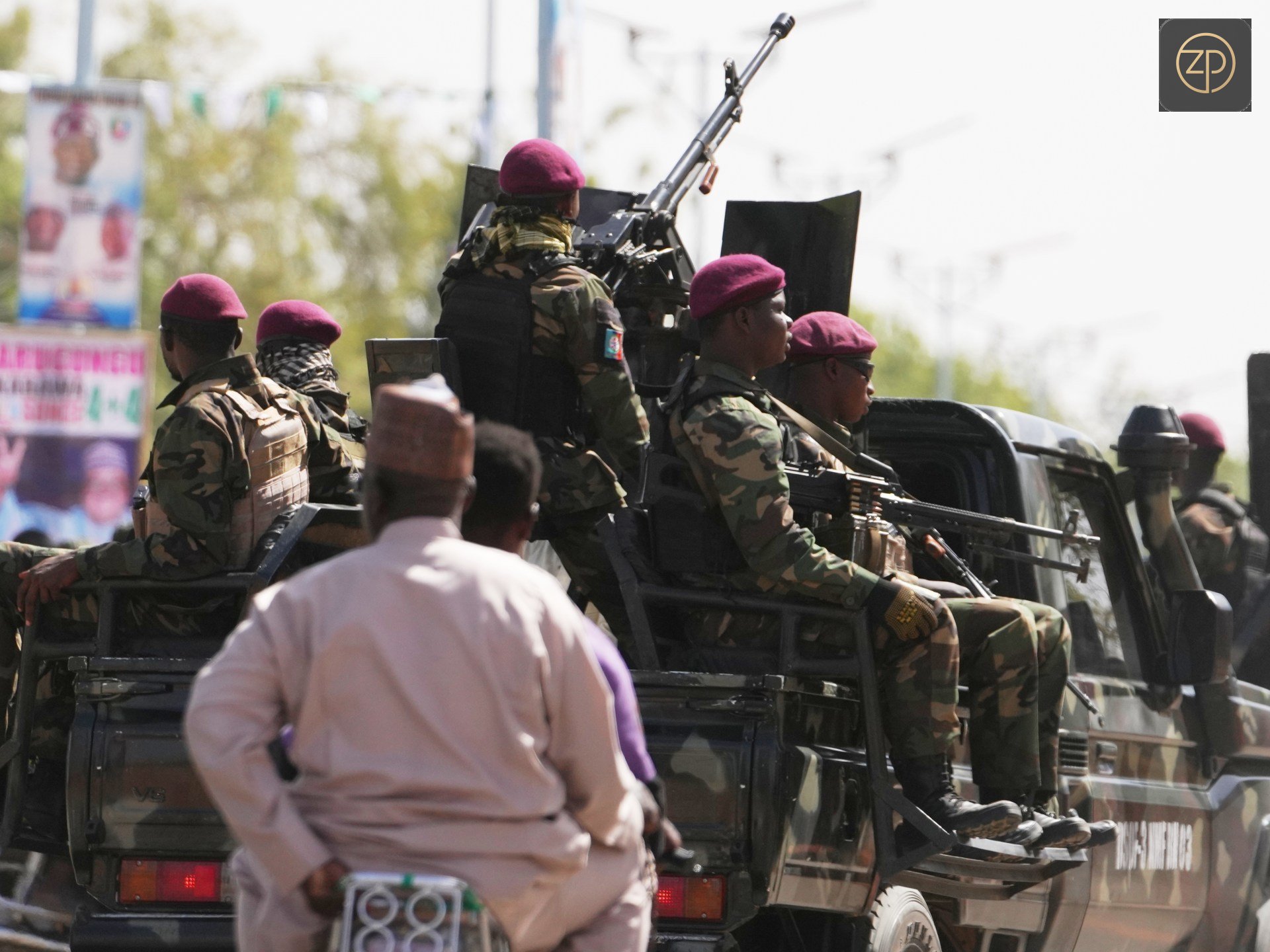

At least 29 people are dead after a fierce gun battle erupted between Nigerian police and a heavily armed gang in the country’s northwest, authorities said Tuesday.
The clash, which took place on Monday in Kebbi State, left 10 police officers, 17 suspected bandits, and two civilians dead. Police spokesman Bashir Usman confirmed the toll, describing the officers as “gallant” and noting that two other officers were injured and receiving treatment.
According to Usman, the confrontation began when police intercepted a convoy of roughly 240 gunmen traveling on more than 200 motorcycles. The armed group was moving from neighboring Zamfara State into Kebbi when the firefight erupted.
“Tragically, we lost 10 gallant police personnel in the engagement,” Usman told reporters. He added that the number of bandit casualties could rise as authorities continue to assess the scene.
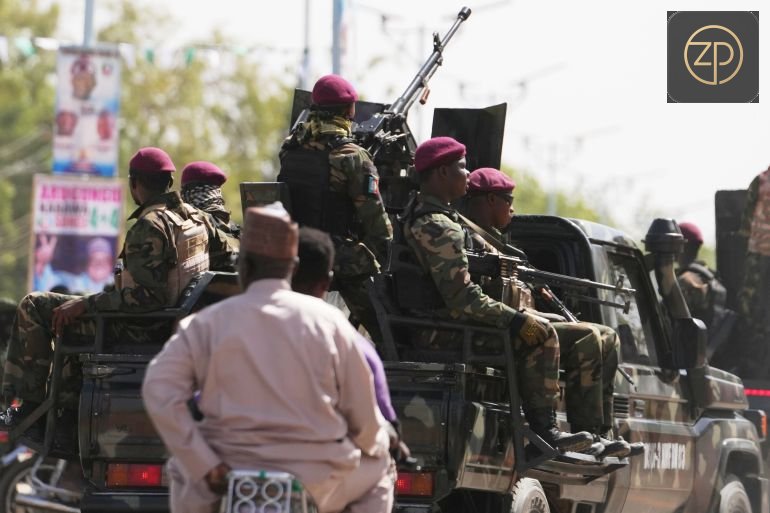
The violence is the latest flare-up in a region that has become a hotbed of criminal activity. Northwestern Nigeria has struggled for years with armed gangs that kidnap for ransom, steal cattle, and terrorize rural communities. These groups, often referred to locally as bandits, operate with near impunity across vast, poorly policed areas.
Just last month, at least 20 villagers were killed when bandits attacked communities in Zamfara State. That assault underscored the relentless pressure on residents who have little protection from state forces.
The United Nations Institute for Disarmament Research reported in March that more than half a million people have been displaced by the violence in Katsina, Sokoto, and Zamfara states. Many have fled to urban centers or makeshift camps, straining resources and deepening a humanitarian crisis that often goes unnoticed internationally.
Local officials say the gangs have grown bolder, increasingly wearing military-style uniforms and using sophisticated weapons. Some analysts believe the groups have links to transnational crime networks, though the Nigerian government has often described them as local criminals.

Security forces have launched repeated operations against the gangs, but the results have been mixed. While military offensives have killed or arrested some leaders, the underlying drivers of the violence—poverty, unemployment, and weak governance—remain unaddressed.
In Kebbi, residents described hearing sustained gunfire for hours on Monday. “We locked ourselves inside and prayed,” one local man said, asking not to be named for fear of reprisals. “The shooting did not stop until evening.”
The police have not said whether any of the bandits were captured alive. Usman said an investigation is underway to determine how the group managed to cross state lines without being detected earlier.
Nigeria’s northwest has become one of the most dangerous regions in the country, with armed groups operating across state borders with little regard for law enforcement. The federal government has deployed additional troops, but the sheer number of attacks suggests the problem is far from solved.
For the families of the dead, the latest clash offers little comfort. Police officers killed in the line of duty are often buried quietly, their sacrifices acknowledged only by colleagues and relatives. Civilians caught in the crossfire face an even harsher reality: no compensation, no official recognition, and the constant threat of more violence.
As the sun sets over Kebbi’s dusty plains, the sounds of motorcycles—the bandits’ preferred mode of transport—still echo in the memories of those who heard them approach on Monday. The question now is whether Nigeria’s security forces can turn the tide, or whether the northwest will continue to bleed.
