





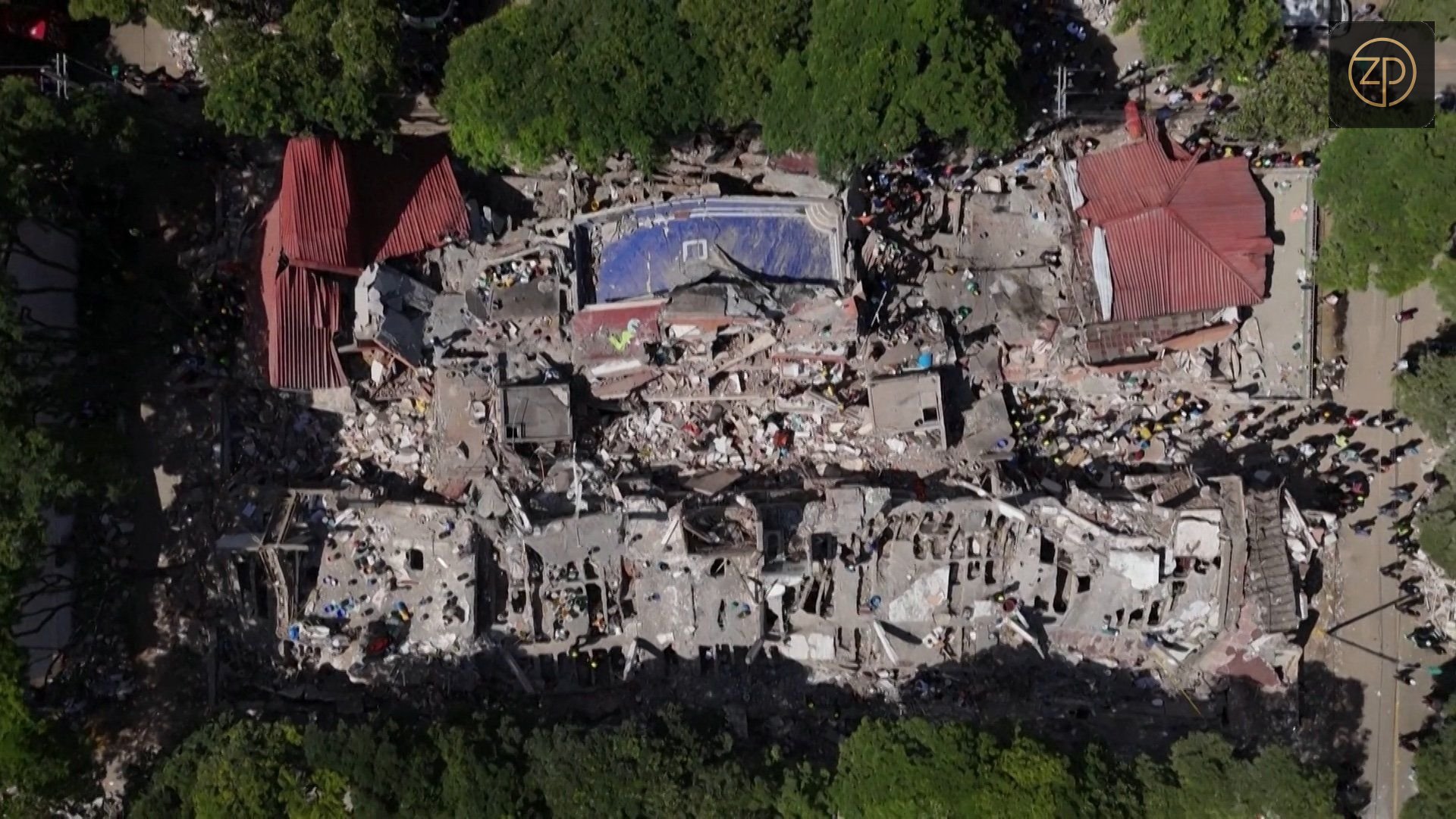

- Cali, Colombia's third-largest city, is reeling from a devastating earthquake that has killed dozens and left many missing.
- Thousands of volunteers are digging through rubble, but officials warn of more casualties and potential aftershocks.
- The long recovery will require massive resources and pose significant challenges for the region.
The sprawling city of Cali, Colombia’s third-largest urban center, is now a landscape of shattered concrete and desperate hope. Two days after a powerful earthquake rattled the region, thousands of residents have turned into impromptu rescue workers, clawing through the remains of collapsed apartment blocks with bare hands and basic tools. The official death toll continues to rise, and authorities have cautioned that the final number could be significantly higher.
At one collapsed residential building in the heart of Cali, the scene is chaotic yet determined. Volunteers, many of them neighbors of the victims, form human chains to remove debris. Some use shovels, others pass buckets of rubble hand-to-hand, while rescue dogs sniff for signs of life beneath the twisted metal and dust. “We are not giving up. We know there are still people under there, and we will keep digging until we find them,” said a volunteer who identified himself only as Carlos, his face streaked with grime.
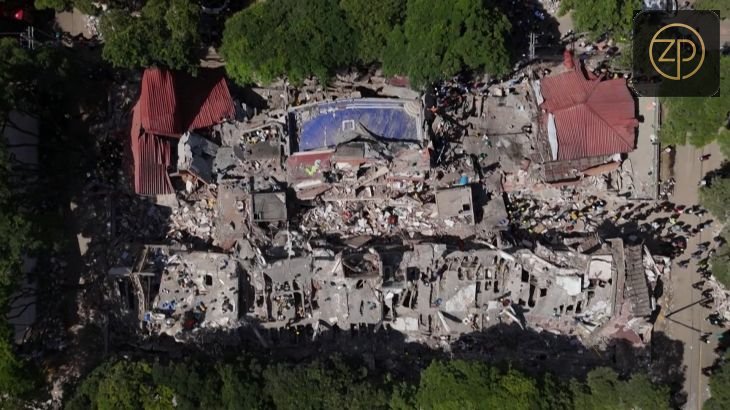
The quake struck on Monday afternoon, catching many residents off guard. The epicenter was located in a seismic zone that experts have long flagged as a risk, but the intensity still surprised local officials. In Cali, entire neighborhoods have been reduced to piles of brick and broken glass. Emergency services are stretched thin, with hospitals overwhelmed by the injured and morgues struggling to cope with the influx of bodies.
Colombia’s national disaster management agency has deployed additional search-and-rescue teams to Cali, but the sheer scale of the destruction has complicated efforts. “We are facing a complex situation,” said María Fernanda Rodríguez, the agency’s regional coordinator, in a press briefing. “The priority is to locate survivors, but we must also ensure the safety of our responders as aftershocks continue to shake the area.”

Engineers are now assessing the structural integrity of buildings that remain standing, warning that some may be unstable. The risk of secondary collapses looms large, and officials have cordoned off several blocks to prevent civilians from entering hazardous zones. Meanwhile, the city’s infrastructure—water mains, electrical grids, and communication networks—has suffered significant damage, hampering relief operations and leaving thousands without basic services.
As the immediate rescue effort enters its critical phase, attention is beginning to shift to the long road ahead. Housing is a pressing concern; many families are sleeping in the open, fearful of returning to damaged homes. Temporary shelters have been set up in schools and community centers, but supplies are running low. “We need food, water, and medicine urgently,” said a local aid worker, speaking on condition of anonymity. “The government has promised help, but it hasn’t arrived in sufficient quantities yet.”
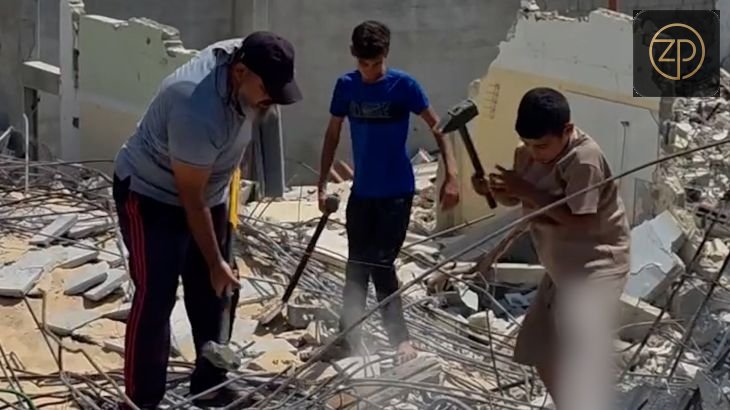
The economic toll is also becoming clearer. Cali is a commercial hub, and many businesses have been destroyed or forced to close. The disruption to supply chains could have ripple effects across the region, analysts say. Reconstruction will likely take years and cost billions of dollars—a heavy burden for a country already grappling with other pressing issues.
Seismologists are monitoring the fault lines around Cali for potential aftershocks, some of which could be strong enough to cause further damage. “We cannot predict exactly when or where the next tremor will hit,” noted Dr. Andrés Gómez, a geophysicist at the National University of Colombia. “But the probability of additional significant events in the coming weeks is non-negligible.”
In the midst of the devastation, stories of resilience and solidarity are emerging. Community kitchens have been organized by local churches, and volunteers are coordinating donation drives through social media. Yet, the scale of the tragedy is immense, and the coming days will be crucial in determining whether more lives can be saved.
For now, the people of Cali are holding onto hope, but the uncertainty is palpable. As one resident, standing near the collapsed building, put it: “We have lost so much, but we have not lost each other. That is what will get us through.” The world watches, but for those on the ground, the fight is far from over.
