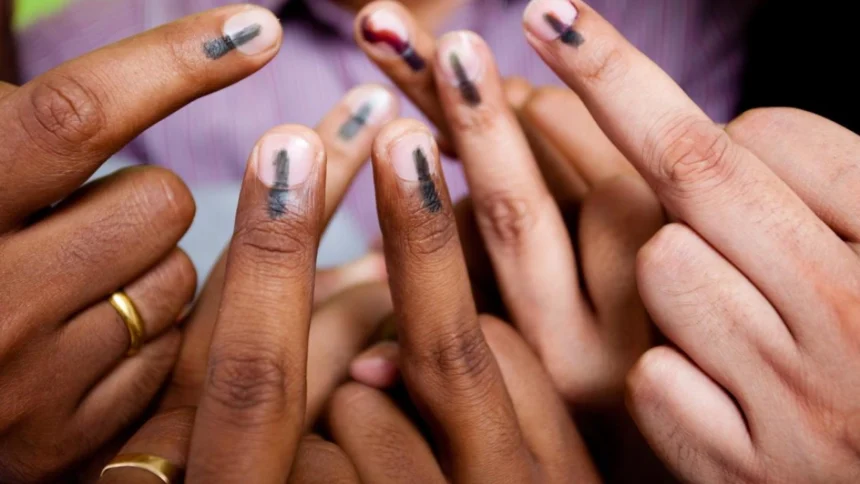
LEH – Voters braved biting sub-zero temperatures on Saturday as Ladakh commenced its first-ever municipal and panchayat elections since the region was carved out as a Union Territory in August 2019.
Polling stations opened at 8 a.m. across the high-altitude terrain, where night temperatures have already plummeted to between -7°C and -9°C. Election officials deployed specialized transport, including buses navigating remote routes in the Nubra valley, to supply 1.87 lakh eligible electors spread across 59,146 square kilometres.
Grassroots Balloting Across Leh and Kargil
The local exercise covers 192 panchayat halqas and municipal bodies in Leh and Kargil. Authorities confirmed that voters in the Leh Municipal Council are casting ballots across all 21 wards. Meanwhile, four of the 17 wards in the Kargil Municipal Council secured uncontested representatives prior to polling day.
Out of 192 panchayat halqas, 55 sarpanches won their seats unopposed, leaving 137 seats contested. Similarly, 1,186 panch candidates secured victory without opposition out of 1,428 total slots, with voting active for the remaining 242 seats.
All necessary arrangements have been made to ensure the smooth, timely, and efficient conduct of the electoral process, with a focus on free, fair, transparent, and peaceful elections.
The local bodies had previously completed their mandates under the former Jammu and Kashmir framework, leaving the cold desert region without grassroots councils for eight years. The Lieutenant Governor administration also declared public holidays across the territory to encourage voter participation.
Upcoming Hill Council Contests
Attention will now shift toward the Ladakh Autonomous Hill Development Councils. Elections for all eight Hill Councils are slated for December 4, featuring 266 candidates competing for 100 seats.
Notably, 36 of these Council seats have been reserved for women. This policy adjustment marks a structural change for grassroots representation in the border territory amid ongoing local discussions concerning regional statehood and constitutional protections.