





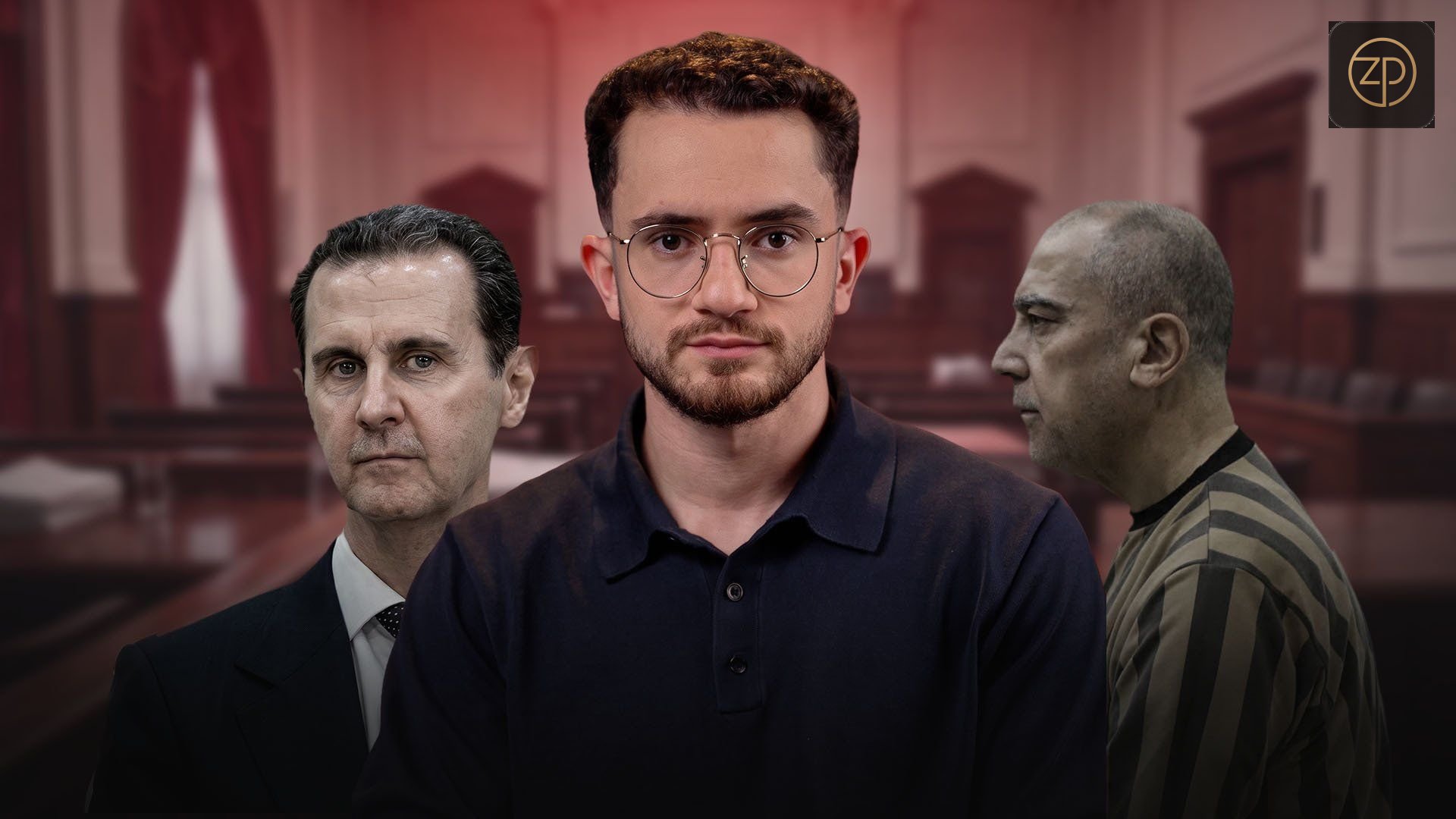

- A Syrian court has sentenced former president Bashar al-Assad, his brother Maher, and cousin Atef Najib to death for crimes against humanity.
- The trial, held in Damascus, heard testimony from over 200 witnesses and covered atrocities including chemical attacks and torture.
- The verdicts are largely symbolic as the defendants are abroad, but they mark a historic step for Syrian justice.
A judicial panel in Damascus has issued capital punishment rulings against Syria’s ousted leader Bashar al-Assad, his younger brother Maher, and their cousin Atef Najib, following a trial that lasted several months. The court found the three men guilty of orchestrating atrocities against civilians during the conflict that has torn the country apart since 2011.
The verdict, delivered on Wednesday, marks the first time a Syrian court has formally sentenced the former president and his inner circle for their roles in the war. According to court documents, the charges included murder, torture, and the use of chemical weapons against residential areas. The tribunal, operating under the post-Assad judicial framework, also stripped the defendants of their political rights and ordered the seizure of their assets.
Legal experts noted that the sentences are largely symbolic, as Assad fled to Russia in December 2024 and remains beyond the reach of Syrian authorities. His brother Maher, who commanded the elite Fourth Armoured Division, is also believed to be in Moscow, while Najib, a former head of political security in Daraa, is reportedly in hiding.
Syria’s interim justice minister, Shadi al-Waisi, called the ruling “a step toward accountability for the victims and a signal that the era of impunity has ended.” He added that the government would pursue international cooperation to bring the convicted men back to face justice.

Human rights lawyer Razan al-Masri, who followed the proceedings, told ZyvenPress that the trial was “a historic moment for Syrian jurisprudence, though its real impact depends on whether the international community helps enforce these verdicts.” She cautioned that without extradition agreements, the sentences remain “paper justice.”
The prosecutions stem from a series of investigations launched after the fall of the Assad regime in late 2024. The court heard testimony from over 200 witnesses, including survivors of the 2013 chemical attack in Ghouta and families of detainees who perished in military prisons. Prosecutors presented evidence linking the defendants to the systematic suppression of peaceful protests that escalated into a full-blown civil war, claiming hundreds of thousands of lives and displacing millions.

The trial was held in a heavily fortified courthouse in central Damascus, with proceedings broadcast on state television to allow public scrutiny. Defense lawyers appointed by the court argued that the accused were denied their right to a fair hearing, but the panel rejected those objections, stating that the evidence was overwhelming.
The verdicts come amid renewed international pressure on Russia to extradite Assad and his associates. Western governments have welcomed the ruling, though they stopped short of predicting swift action. A spokesperson for the UN Commission of Inquiry on Syria noted that the decision “reflects the growing demand for justice among Syrians, but true accountability requires cooperation beyond Syria’s borders.”
Meanwhile, in Damascus, crowds gathered outside the courthouse, some waving flags and chanting for retribution. One protester, who gave his name as Omar, said, “This is the first time we feel the law is on our side. But we won’t rest until they are actually executed or brought back to face the people.”
The death sentences are likely to deepen the diplomatic rift between Damascus and Moscow, which has long shielded Assad from accountability. Russia has not yet commented officially, but analysts expect it to dismiss the trial as politically motivated. The Syrian government, however, is expected to issue international arrest warrants and seek Interpol notices to facilitate any future extradition.
For many Syrians, the ruling is a symbolic milestone in a long and painful journey toward reconciliation. Whether it leads to tangible justice remains an open question, but the legal precedent set by the court could influence future war crimes prosecutions in the region. As the country rebuilds, the demand for accountability is likely to remain a central pillar of its fragile peace.
